The Ultimate Guide to Dermaplaning: Is It Right for You?


What is Dermaplaning?
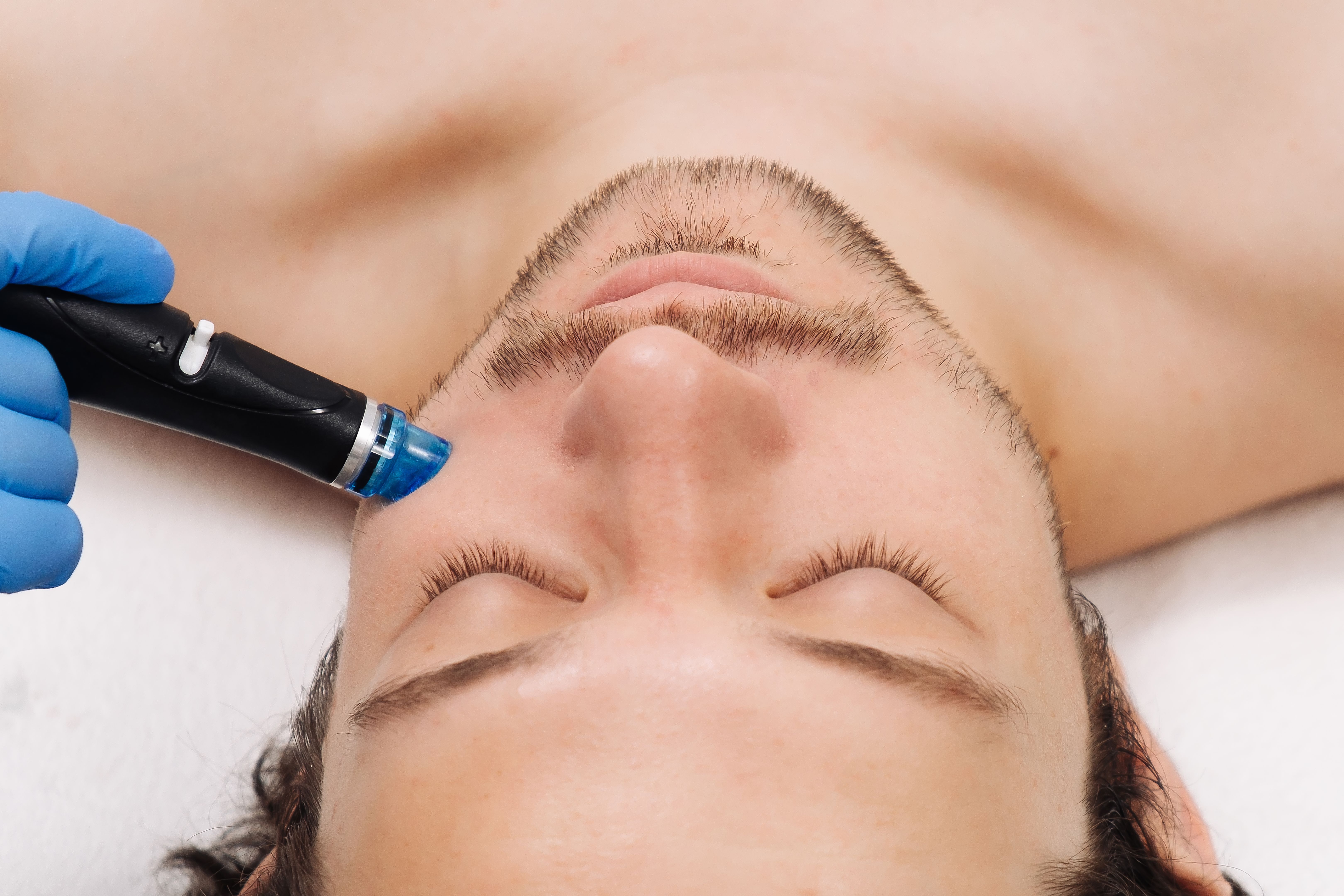
Dermaplaning is a non-invasive skincare treatment that involves using a sterile surgical blade to gently exfoliate the top layer of dead skin cells and remove fine vellus hair, often referred to as “peach fuzz.” This process reveals a smoother, brighter complexion and enhances the absorption of skincare products.
Benefits of Dermaplaning
There are numerous benefits to incorporating dermaplaning into your skincare routine. Some of the most notable advantages include:
- Exfoliation: Removes dead skin cells, promoting cell turnover and a radiant glow.
- Smoother Makeup Application: Creates a flawless canvas for makeup, enhancing its longevity and appearance.
- Product Absorption: Improves the efficacy of serums and moisturizers by allowing deeper penetration.
Who Should Consider Dermaplaning?
Dermaplaning is suitable for most skin types, particularly for individuals seeking a quick, painless way to achieve a smoother complexion. However, it may not be ideal for those with active acne, rosacea, or highly sensitive skin. Consulting with a skincare professional can help determine if this treatment is right for you.

How is Dermaplaning Performed?
The procedure is typically performed by a licensed aesthetician or dermatologist. It involves the following steps:
- Cleansing: The skin is thoroughly cleansed to remove any impurities.
- Exfoliation: A sterile blade is used to gently scrape the surface of the skin.
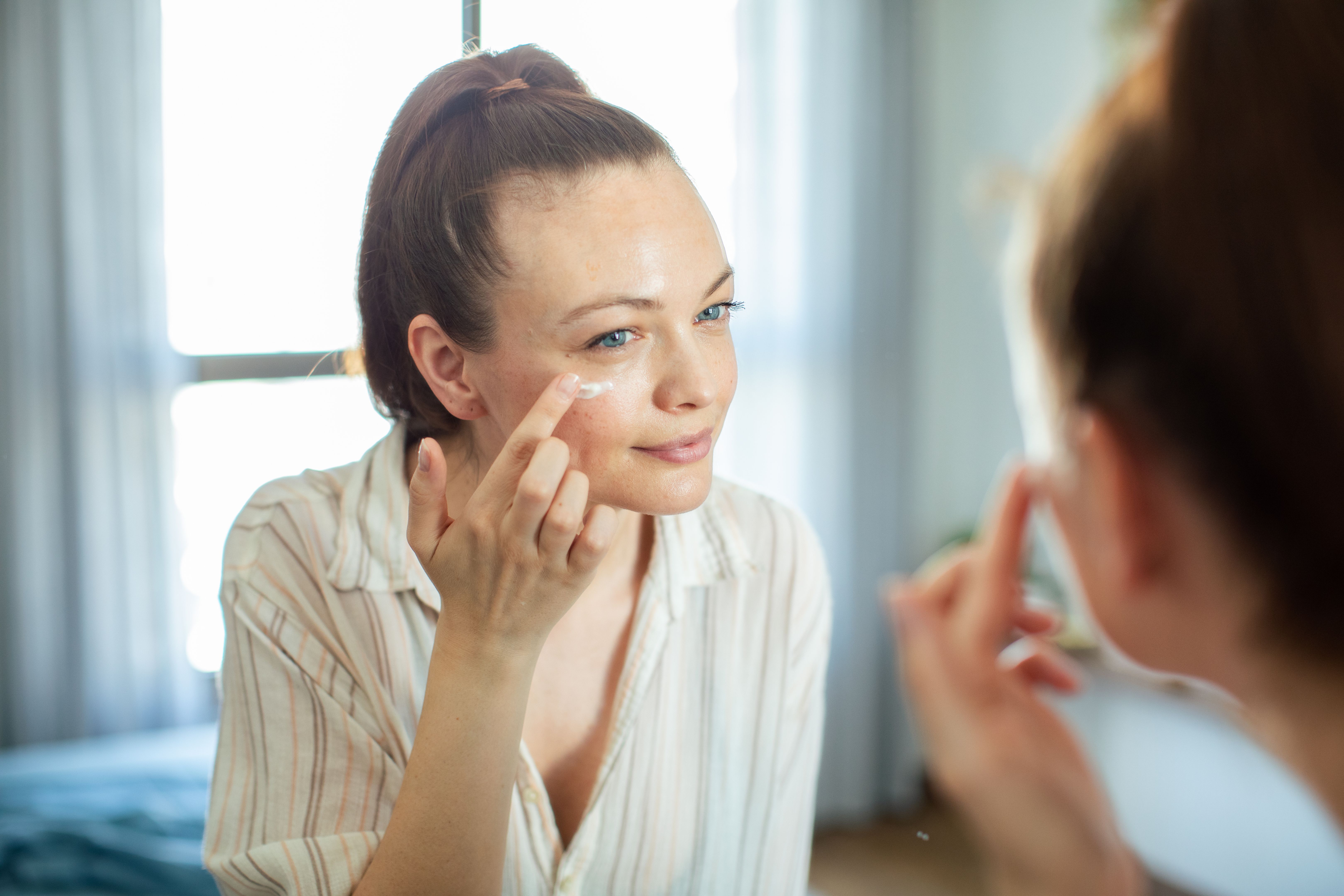
- Moisturizing: A soothing moisturizer or serum is applied to calm the skin.
Post-Treatment Care
After dermaplaning, it’s crucial to follow proper post-treatment care to maintain results. Here are some tips:
- Use a gentle cleanser and moisturizer.
- Avoid direct sun exposure and apply broad-spectrum sunscreen daily.
- Refrain from using harsh exfoliants for a few days.
Potential Side Effects
While dermaplaning is generally safe, some individuals may experience temporary redness, sensitivity, or minor nicks. These side effects usually subside quickly. It’s important to have the procedure done by a trained professional to minimize risks.
Frequency of Treatments
Dermaplaning can be done every three to four weeks, depending on your skin type and desired results. Regular treatments help maintain a smooth, glowing complexion and can be tailored to fit your skincare goals.
In conclusion, dermaplaning is a versatile and effective treatment for achieving smoother, more radiant skin. By understanding its benefits, suitability, and aftercare, you can decide if this popular skincare technique aligns with your beauty regimen.